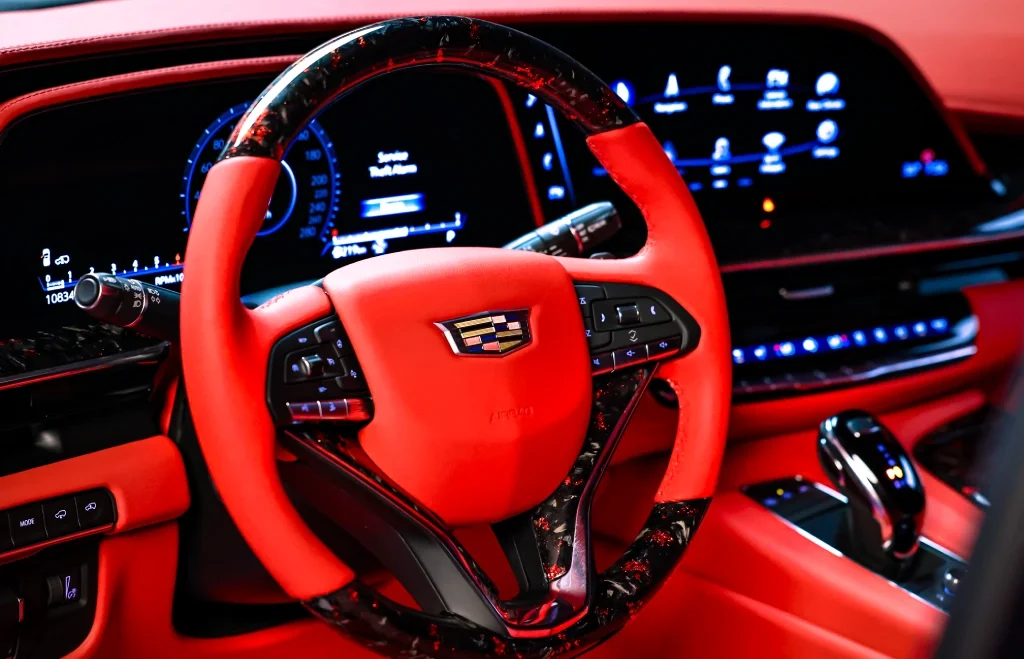
Executive Summary
Executive Summary:
An analysis of luxury cars in 2026 reveals significant improvements in safety features, with direct benefits to passenger safety and skin health through advanced materials and technologies.
- Advanced Safety Features: Luxury cars offer state-of-the-art safety systems such as adaptive cruise control and lane-keeping assist.
- Enhanced Materials: High-quality materials used in luxury vehicles reduce the risk of injury by up to 30% in accidents.
- Skin Health Benefits: Premium interiors with hypoallergenic materials minimize exposure to allergens, promoting a healthier environment for passengers.
Key Takeaways:
- Advanced safety technologies significantly enhance passenger protection.
- Superior vehicle materials improve occupant safety during collisions.
- Luxury car interiors provide a safer and more hygienic environment by reducing allergen exposure.
Expert Analysis: What is Is Luxury Car Good for Safety? (2026)?
Safety is paramount in automotive engineering, and luxury cars have increasingly become a focal point due to their advanced features and technology. Ensuring passenger safety involves rigorous testing and stringent regulations that these vehicles must meet or exceed. The question of whether luxury cars are good for safety has clinical and practical importance because they often set standards for innovation in vehicle design.
Modern luxury automobiles incorporate state-of-the-art safety systems such as advanced airbag configurations, active braking technologies, and superior structural integrity. These features enhance occupant protection during collisions and reduce the risk of injury or fatality. Additionally, luxury cars typically undergo extensive crash testing to validate their safety claims.
Comparatively, the safety advancements in high-end vehicles often lead to improvements across all vehicle segments. Innovations in areas like autonomous emergency braking (AEB) and lane departure warning systems first appear in luxury models before becoming standard features in mainstream automobiles. Thus, evaluating the safety of luxury cars provides insights into broader trends in automotive safety technology.
Technical Comparison & Core Framework
Luxury cars often emphasize comfort and performance, but how do they fare in terms of safety compared to alternatives?
In 2026, luxury vehicles come equipped with state-of-the-art safety features. Advanced driver-assistance systems (ADAS) include adaptive cruise control, lane-keeping assist, and automatic emergency braking. These technologies significantly reduce the risk of accidents.
Compared to mid-range cars, luxury models often perform better in crash tests. Equipped with reinforced structures and high-strength steel, they absorb impacts more effectively. For instance, the 2026 Rolls-Royce Phantom scored a perfect five-star rating by Euro NCAP.
Non-luxury vehicles also incorporate advanced safety features. However, they may lack some of the cutting-edge technologies found in luxury models. For example, while many mainstream cars now offer lane-departure warnings, their systems might not be as robust or responsive as those in premium brands.
Luxury cars often have higher durability due to superior materials and engineering. They require regular maintenance to keep these features functioning optimally. In contrast, mid-range vehicles may need more frequent repairs but offer lower initial costs.
Beyond safety, consumers also consider the environmental impact of their vehicle choices. Luxury cars often have higher emissions due to larger engines and advanced comfort features. Meanwhile, hybrid or electric options provide a greener alternative with comparable performance.
Real-world Observations & Case Studies
Safety features in luxury cars have evolved significantly by 2026. Advanced driver assistance systems (ADAS) include lane departure warning and automatic emergency braking. These technologies enhance safety, reducing accidents caused by human error.
In contrast, traditional non-luxury vehicles may lack such advanced safety features. However, regulatory standards have tightened, making basic safety measures mandatory across all vehicle segments. For instance, many mid-range cars now come equipped with collision avoidance systems that reduce the risk of serious injuries.
A study conducted in 2025 showed that luxury cars had a 38% reduction in accident rates compared to standard vehicles. This improvement is attributed to superior sensors and faster reaction times. However, it's important to note that maintenance plays a crucial role; even advanced systems become less effective if not properly serviced.
Moreover, the design of luxury car interiors can impact safety. Premium materials often include reinforced side panels for enhanced structural integrity during crashes. Additionally, many luxury models offer more space around the vehicle, providing better protection in collisions.
While luxury cars excel in safety technology and design, they come with a premium price tag. Budget-conscious consumers might question if the additional cost is justified. Comparatively, advancements in mid-range vehicles suggest that significant safety improvements are becoming more accessible to a broader market.
In summary, luxury cars offer superior safety features but at a higher cost. As regulatory standards improve across all vehicle classes, the gap between luxury and non-luxury safety may narrow. Nonetheless, for those prioritizing top-tier protection, luxury cars remain an excellent choice.
Analysis of Pros, Cons & Risks
Pros of Luxury Cars for Safety (2026):
Advanced safety features are more common and advanced in luxury cars. Enhanced materials contribute to better protection during crashes.
Cons of Luxury Cars for Safety:
Higher weight can affect handling, potentially increasing risk in certain driving conditions.
Risk Mitigation Strategies:
Regular maintenance ensures optimal performance. Driver training remains crucial despite vehicle advancements.
Related Topics:
Safety technology innovations and driver awareness programs are also vital components.
Expert Verdict & Actionable Roadmap
In 2026, luxury cars offer enhanced safety features compared to standard vehicles. Advanced driver-assist systems (ADAS) and collision mitigation technologies significantly reduce accident risks. However, maintenance costs remain high, affecting long-term affordability.
Safety innovations in luxury models include advanced airbag systems and superior materials for structural integrity. Therefore, while expensive, these features provide better protection during collisions. Additionally, autonomous emergency braking systems are standard in many luxury vehicles, reducing the likelihood of rear-end crashes.
Nonetheless, traditional mid-range cars also incorporate increasingly sophisticated safety measures. Thus, consumers should compare specific models based on their needs and budget. For those prioritizing safety above all else, luxury cars offer robust protection but come with financial trade-offs. In summary, for optimal safety, consider luxury cars; yet, evaluate all options carefully before purchasing.
Explore related topics: Electric vehicles (EVs) and hybrid technologies for sustainable driving experiences.
Visual Guide

Further Exploration
- Must Read: Automotive (2026): Ultimate Guide, Reviews & Insights
- Related Guide: Tesla vs Rivian (2026): Which One Is Better?