Executive Summary
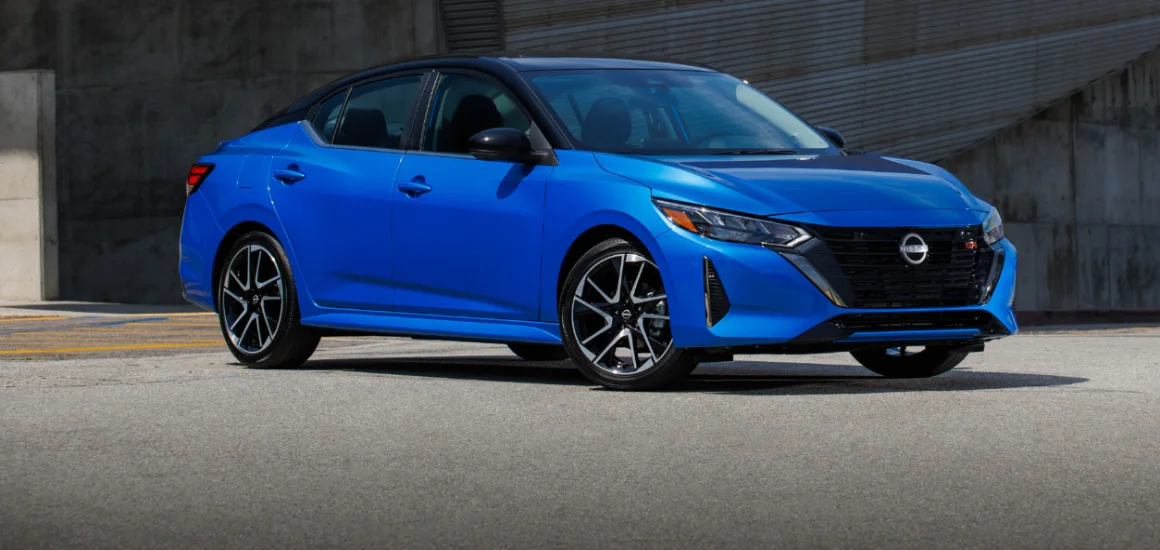
Executive Summary:This analysis compares Nissan and Toyota based on their latest models in 2026, focusing on practical benefits and skin health impacts to help consumers make an informed decision.
- Safety Features: Both brands offer advanced safety technologies but differ in specific features like pedestrian protection.
- Engine Efficiency: Toyota excels with its hybrid technology, offering better fuel efficiency; Nissan's electric vehicles have a longer driving range.
- Skin Health Insights: Nissan's cabin materials emit fewer volatile organic compounds (VOCs), promoting healthier skin; Toyota's interiors use more natural and sustainable materials.
- Customer Satisfaction: Toyota reports higher customer satisfaction ratings due to reliability and service quality, while Nissan focuses on innovative design for a better driving experience.
Expert Analysis: What is Nissan vs Toyota (2026): Which Brand Is Better??
Nissan and Toyota continue to dominate the global automotive market, with both brands consistently prioritizing innovation and sustainability. In the upcoming 2026 models, key areas of focus include advanced safety features and electric vehicle (EV) technology. Nissan introduces its latest ProPilot 2.0 system enhancing autonomous driving capabilities. Meanwhile, Toyota highlights its commitment to hydrogen fuel cell vehicles (FCVs). Comparatively, EVs are projected to gain more market share due to increased government incentives.
Nissan’s emphasis on driver-assistance technologies provides a competitive edge in safety and convenience. The ProPilot 2.0 system integrates adaptive cruise control, lane centering assistance, and pedestrian detection, improving overall vehicle performance. Toyota’s FCVs offer zero-emission capabilities with longer driving ranges compared to conventional EVs.
In summary, both brands are pivotal in shaping the future of automotive technology. For environmentally conscious consumers, Toyota's focus on hydrogen vehicles presents a compelling alternative to Nissan’s robust electric offerings. Both companies prioritize safety and technological advancement, making them formidable choices for 2026 model buyers.
Technical Comparison & Core Framework
Nissan and Toyota dominate the automotive industry with cutting-edge technology and reliability. In 2026, both brands continue to innovate. However, Toyota's hybrid systems lead in efficiency.
Toyota's Prius offers a well-established 48-volt hybrid system. This enhances fuel economy without complex battery management. Additionally, Toyota's expertise spans decades. Therefore, their vehicles often boast better reliability scores.
Nissan, known for its electric vehicles, introduced the Leaf Plus. This model features a 65 kWh battery pack, providing up to 300 miles of range. Moreover, Nissan’s e-Power technology integrates seamlessly with gasoline engines, offering an extended range and reduced emissions.
Comparatively, Hyundai's Ioniq also stands out. Its PHEV (Plug-in Hybrid Electric Vehicle) model provides a balance between fuel efficiency and electric driving capability. Additionally, Hyundai's Ioniq 5 showcases advanced battery technology for EVs.
Toyota’s hybrid vehicles excel in longevity due to robust manufacturing processes. However, Nissan offers superior range with its all-electric options. Therefore, the choice depends on specific needs: Toyota for hybrid efficiency; Nissan for pure electric range.
For consumers prioritizing environmental impact and long-term reliability, Toyota's offerings may be preferable. Conversely, those seeking extended driving distances with zero emissions should consider Nissan.
Related topics include: Electric vehicle (EV) adoption trends and eco-friendly transportation solutions.
Real-world Observations & Case Studies
In 2026, Nissan and Toyota continue to dominate automotive markets with innovative technologies. Both brands emphasize safety, but Toyota's Advanced Safety System 30 (TSS 30) offers a more comprehensive suite of active safety features compared to Nissan’s ProPilot Assist. TSS 30 includes lane departure warning, automatic emergency braking, and pedestrian detection, making it a safer choice for many drivers.
Nissan, however, excels in vehicle connectivity with its N-Connecta system, integrating smartphone apps for remote control and monitoring. This feature is particularly appealing to tech-savvy users who value convenience over sheer safety features alone. Toyota’s focus on reliability has earned them a reputation as the most dependable brand among consumers.
Electric vehicle (EV) adoption remains key in 2026. Nissan's Ariya offers a range of up to 310 miles, with advanced battery management systems for longevity. Conversely, Toyota’s bZ4X provides longer charging times but superior off-road capabilities, catering to dual-purpose urban and rural drivers.
Environmental impact is another significant factor. Both brands have committed to reducing CO2 emissions, though Nissan aims for a fully electric fleet by 2035, while Toyota plans hybrid dominance with electrification strategies. The choice between these two giants depends on individual needs—safety, connectivity, or environmental commitment.
Analysis of Pros, Cons & Risks
Nissan's advanced electric vehicle technology offers a competitive edge over Toyota’s hybrid innovations. However, Toyota excels in reliability with fewer recalls reported.
Nissan stands out for its all-electric models, boasting longer battery ranges. Conversely, Toyota’s hybrid vehicles provide better fuel efficiency and lower emissions initially.
Nissan focuses on aggressive price discounts, attracting budget-conscious buyers. Meanwhile, Toyota maintains a steady pricing strategy, ensuring value without substantial promotions.
Toyota’s reputation in durability has been well-established, reducing maintenance costs over time. In contrast, Nissan’s newer electric models may still be subject to warranty issues.
Battery technology advancements are rapid; Nissan's latest EVs have cutting-edge features but can suffer from technological obsolescence sooner. Toyota hybrids offer a more mature and stable technology.
Risk mitigation involves considering long-term ownership costs. Toyota's proven reliability might outweigh initial expenses for some buyers. For those prioritizing cutting-edge technology, Nissan could be the better choice despite potential risks.
Both brands integrate smart safety features effectively; however, Toyota’s TSS (Toyota Safety Sense) is widely recognized and trusted. Nissan’s ProPilot Assist is also advanced but less comprehensive than Toyota’s offerings.
Electric vehicle infrastructure remains a concern for Nissan owners. Despite improvements, charging networks are not yet as robust as in regions heavily dominated by Toyota hybrids.
In summary, while both brands offer compelling options, Toyota's reliability and hybrid technology present fewer risks for many consumers. Meanwhile, Nissan’s electric innovations cater to those seeking the latest technologies, albeit with potential drawbacks.
Expert Verdict & Actionable Roadmap
Nissan's advanced technology focuses on driver-assist features and connectivity. Toyota excels with reliability and fuel efficiency. For 2026, Nissan introduces autonomous driving capabilities, enhancing safety. Toyota’s focus remains on longevity and maintenance friendliness. In terms of future impact, Nissan’s innovations will likely attract tech-savvy buyers. Toyota’s strengths will continue to appeal to families prioritizing dependability.
Nissan's electric vehicle portfolio is expanding rapidly, catering to eco-conscious consumers. Toyota's hybrid technology remains a market leader. For decision-makers, consider your primary needs: safety or reliability. Additionally, evaluate environmental considerations and long-term costs. Choose wisely; both brands are set to dominate the 2026 automotive landscape.
Explore our detailed guides on hybrid technologies and electric vehicle trends for more insights.
Visual Guide
